Design the Image, Then Build It
Design the website as an image first, then build it to match. Your agent art-directs section references, then codes a frontend from them instead of guessing straight into markup.
Install the skill or give me an instruction how to install it - image-to-code from https://github.com/Leonxlnx/taste-skill Free Open source Works in Claude, Cursor, Codex & more
What it does
Give it a brief, the kind of site, the vibe, the number of sections, and it designs the site as pictures first, then writes the frontend to match. This flips the usual order. Instead of a coding agent guessing markup straight into a freeform layout, it generates a large, readable reference image for each section, studies that image for its typography, spacing, color, buttons, and layout, and only then implements the code.
Because the design decisions are made and reviewed as images before any code exists, the result holds together: a spacious, laptop-readable hero and a coherent design system pulled from the renders. It renders each section fresh rather than cropping one tall mockup, adds detail images where a section is ambiguous, and enforces hard rules against AI slop, boxes nested in boxes, and cluttered heroes.
When to use it
- You want to see the design before it's coded
It generates a reference image per section first, then builds the frontend to match.
- Coding straight from a prompt gives you guesswork
Designing as a picture first means the layout, type, and spacing are decided before a line of code.
- You have a design image to build from
Hand it a reference render and it reads the typography, color, and layout and implements them faithfully.
FAQ
How is this different from building straight into code?
image-to-code designs each section as a readable reference image first, then codes the frontend to match it. That order stops the agent guessing straight into markup and drifting off design.
Do I need to supply the image?
You can hand image-to-code a design image, or let it generate a fresh reference per section. Either way it reads the typography, spacing, color, and layout closely before writing any code.
What do I get at the end?
image-to-code produces frontend code that matches the references, with hard rules against AI slop, nested box-in-box UI, and cluttered heroes. You end with a built interface, not just the pictures.
Pairs well with
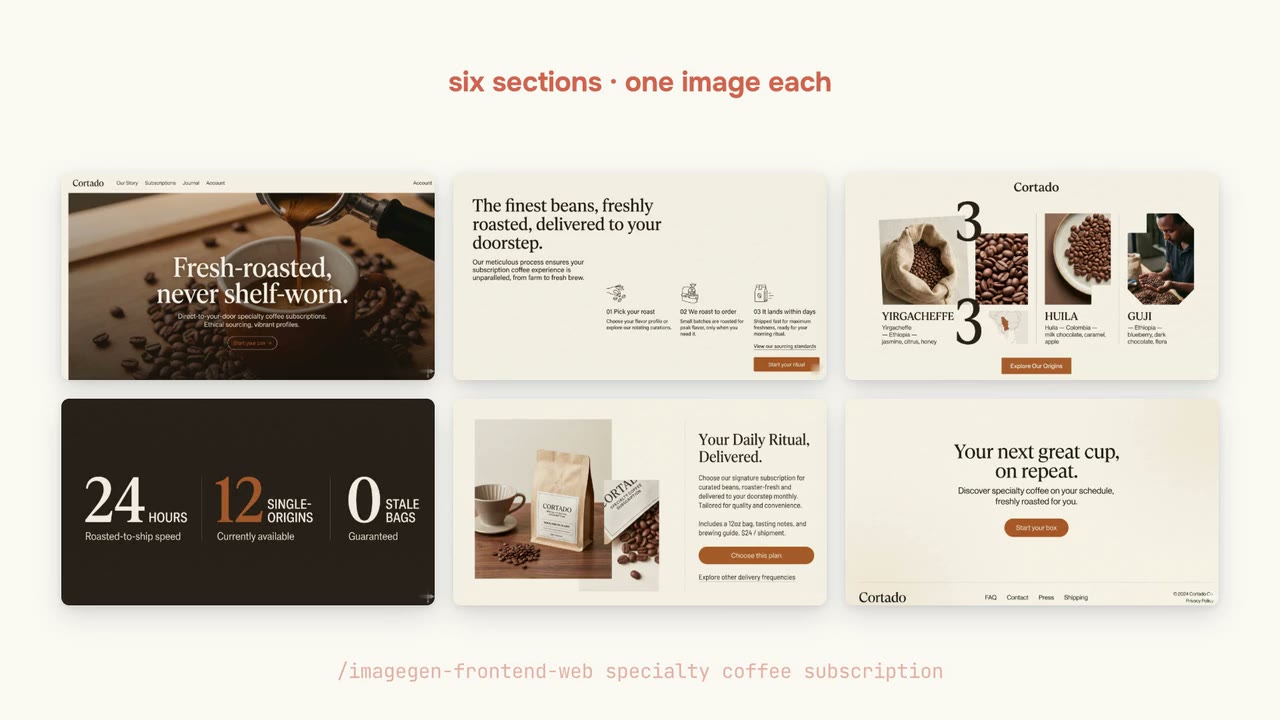
Mock Up a Website
 Leon Lin & blueemi
 Generate premium website comps: one art-directed image per section that looks like a real high-end landing page, clear enough to hand to a coding agent to build. Images only, no code.
taste-skill/imagegen-frontend-web 62.8k 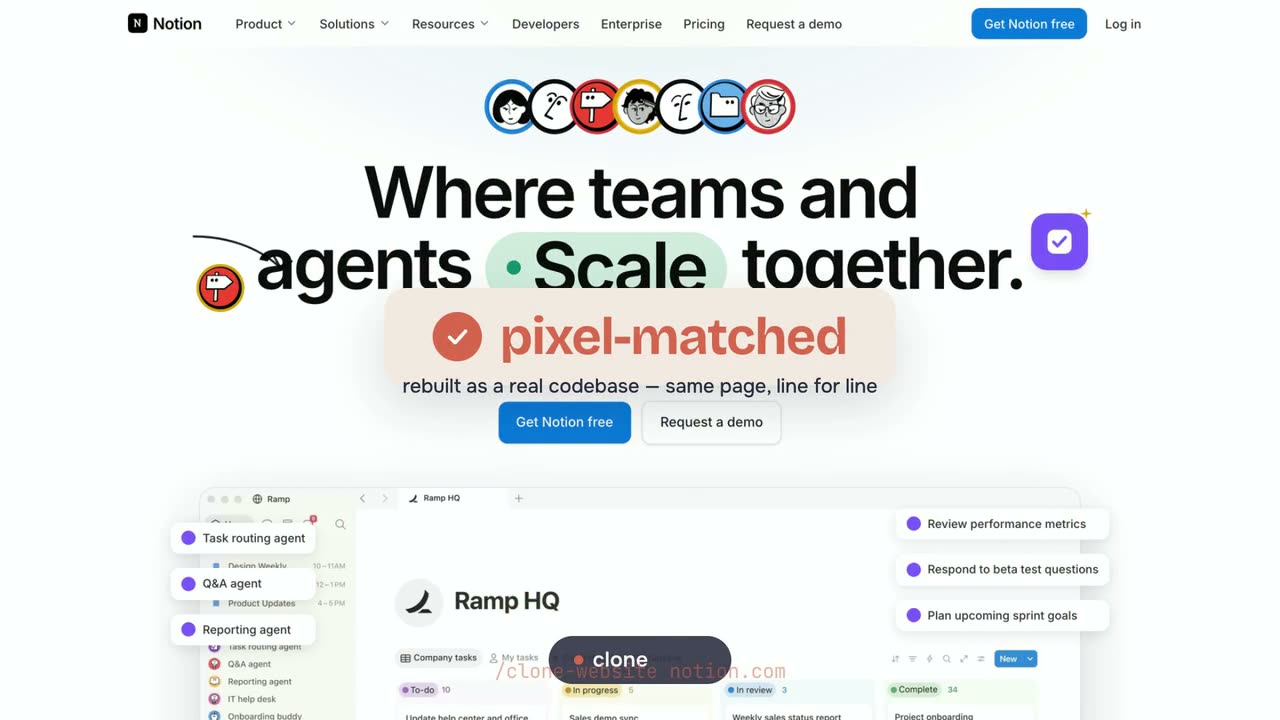
Clone Any Website
 JCodesMore
 Point it at any live URL and get back a clean, pixel-perfect Next.js codebase with the real assets, content, and interactions extracted section by section, not a static screenshot.
ai-website-cloner-template/clone-website 28.1k