Find Dead Code
Scan your whole codebase for over-engineering and get a ranked list of what to delete, simplify, or replace with stdlib and native equivalents, biggest cut first.

Install the skill or give me an instruction how to install it - ponytail-audit from https://github.com/DietrichGebert/ponytail Free Open source Works in Claude, Cursor, Codex & more
What it does
Run it on a repo with no arguments and it reads the whole tree, then hands back a ranked list of what to cut, biggest saving first. Every finding is one line, tagged delete, stdlib, native, yagni, or shrink, with the replacement and the file path, and it closes with the net lines and dependencies you could drop.
It goes after the usual over-engineering: dependencies the standard library or platform already ships, interfaces with a single implementation, factories that make one thing, wrappers that only forward a call, files that export one symbol, and flags nothing reads. It reports only and never edits your code, and it leaves correctness, security, and performance to a normal review, so the list stays focused on what to remove.
When to use it
- Your codebase has grown bloated
Scan the whole tree and get a ranked list of what to delete, biggest cut first, each with its file path.
- You suspect dependencies you don't need
It flags packages the standard library or platform already ships, plus wrappers and interfaces with a single implementation.
- You want cleanup ranked by payoff
Findings are tagged delete, stdlib, native, yagni, or shrink, closing with the net lines and dependencies you could remove.
FAQ
Will it change my code on its own?
No. ponytail-audit scans your codebase and returns a ranked list of what to delete, simplify, or replace, biggest cut first. You review each suggestion and decide, so nothing changes without your say.
What does it actually look for?
ponytail-audit hunts common over-engineering traps: dependencies your standard library already ships, interfaces with a single implementation, factories that make one thing, wrappers that only pass calls through, and dead feature flags.
How does it decide what to cut first?
ponytail-audit ranks findings by the size of the cut and tags each one with why it should go, so the biggest simplifications sit at the top. You get the reasoning behind every item, not a bare list.
Pairs well with
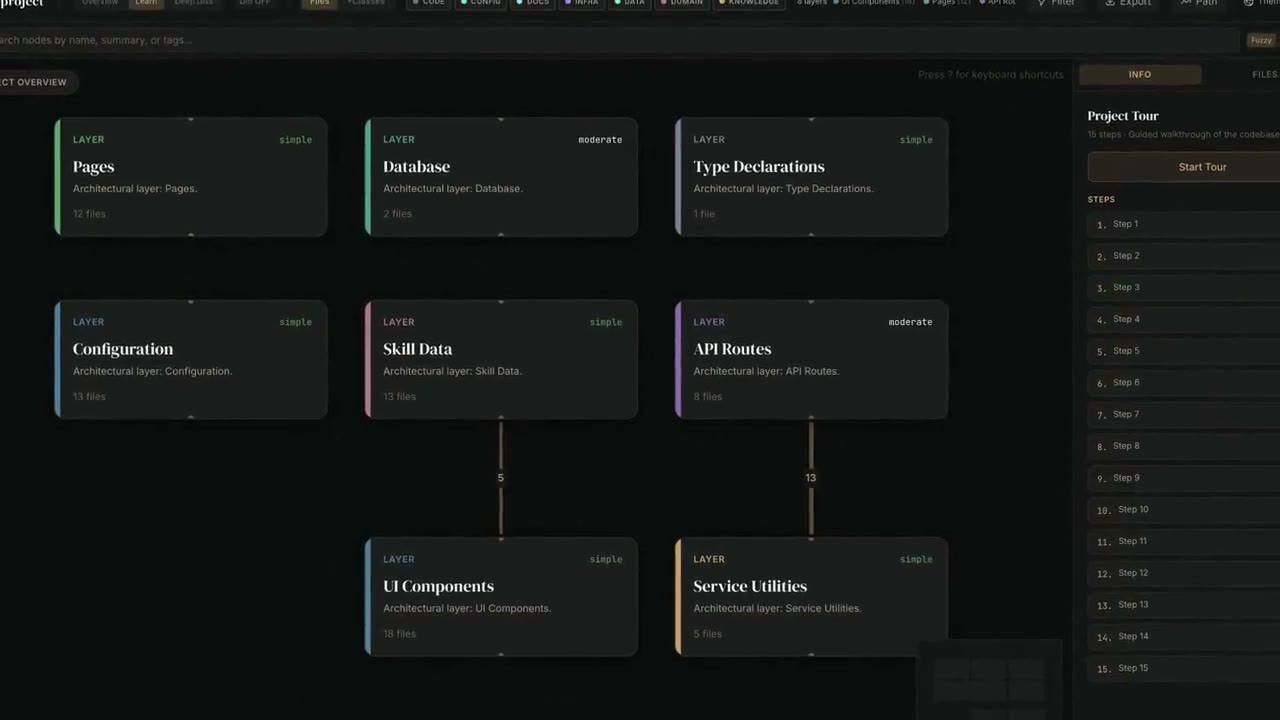
Map Any Codebase
 Egonex
 Map any codebase into an interactive knowledge graph. Instead of a dependency hairball, you get every file, function, and relationship laid out as something you can actually explore.
Understand-Anything/understand 73.7k 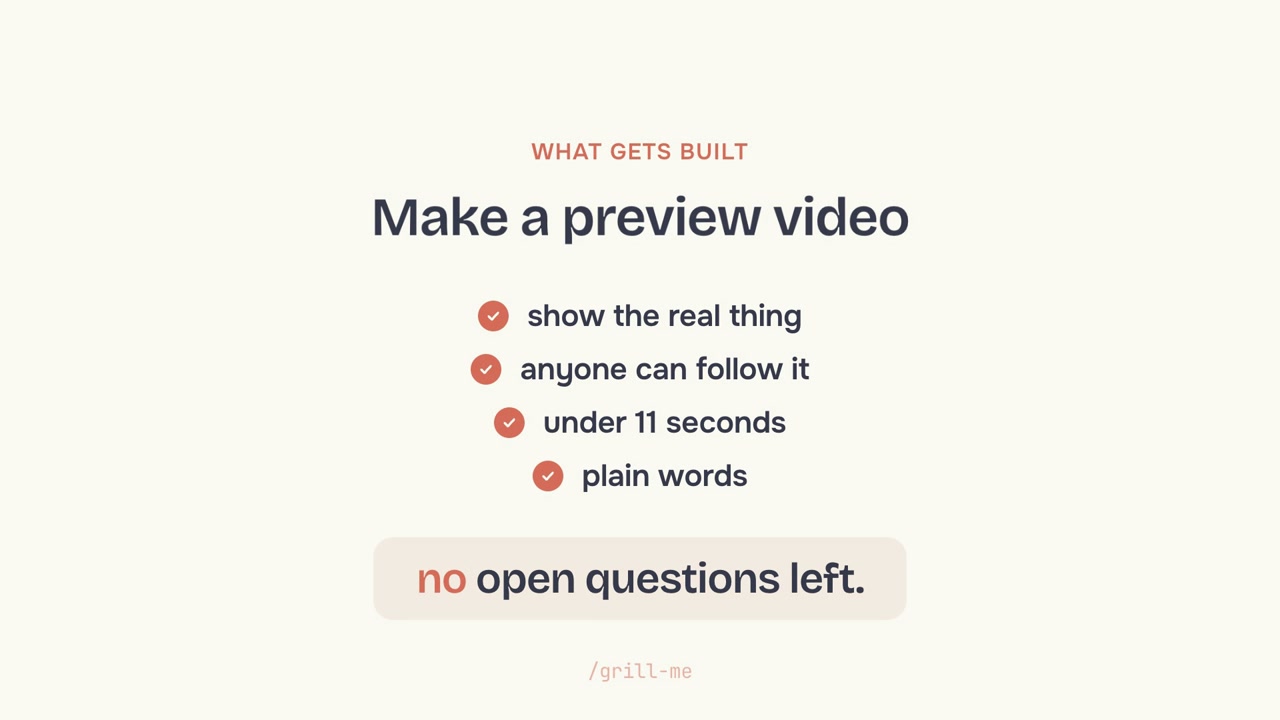
Grill Your Plan
 Matt Pocock
 Grill your plan or design with a relentless interview that surfaces every gap, assumption, and edge case before you write a line of code.
skills/grill-me 167.8k