Map Any Codebase
Map any codebase into an interactive knowledge graph. Instead of a dependency hairball, you get every file, function, and relationship laid out as something you can actually explore.

Install the skill or give me an instruction how to install it - understand from https://github.com/Egonex-AI/Understand-Anything Free Open source Works in Claude, Cursor, Codex & more
What it does
Run it in any project and get an interactive map of the code instead of a wall of files. It parses the real structure and analyzes files in parallel, charting every function, import, and layer into a graph you can pan, zoom, and search by meaning, not just by name. Click any node and it explains what that piece does in plain English.
There is no setup and no arguments. Point it at a monorepo subpath to scope the map, and when you re-run it only re-reads the files that changed. The result is a guided tour of an unfamiliar codebase you can hand to someone on their first day, so they learn how the system fits together rather than grepping their way through it.
When to use it
- You're onboarding to an unfamiliar codebase
Run it in the project and get an interactive graph of every file, function, and dependency you can explore.
- You inherited a project with no docs
Click any node for a plain-English summary and take a guided tour instead of reading the tree file by file.
- You need to find something by meaning, not filename
Search the graph by what code does, then zoom into the parts that matter.
FAQ
Does it change any of my code?
No. understand only reads your codebase and maps it into an interactive graph of files, functions, and relationships. It never edits your source, so you can run it on an unfamiliar project without risk.
Does it stay current when the code changes?
Yes. When you re-run understand, it re-analyzes only the files that changed rather than the whole repo, so the map stays current without a slow full rebuild each time.
What can I do with the result?
understand lays out every file, function, and relationship as something you explore, instead of a dependency hairball. You use it to trace how a part works before you touch it.
Pairs well with
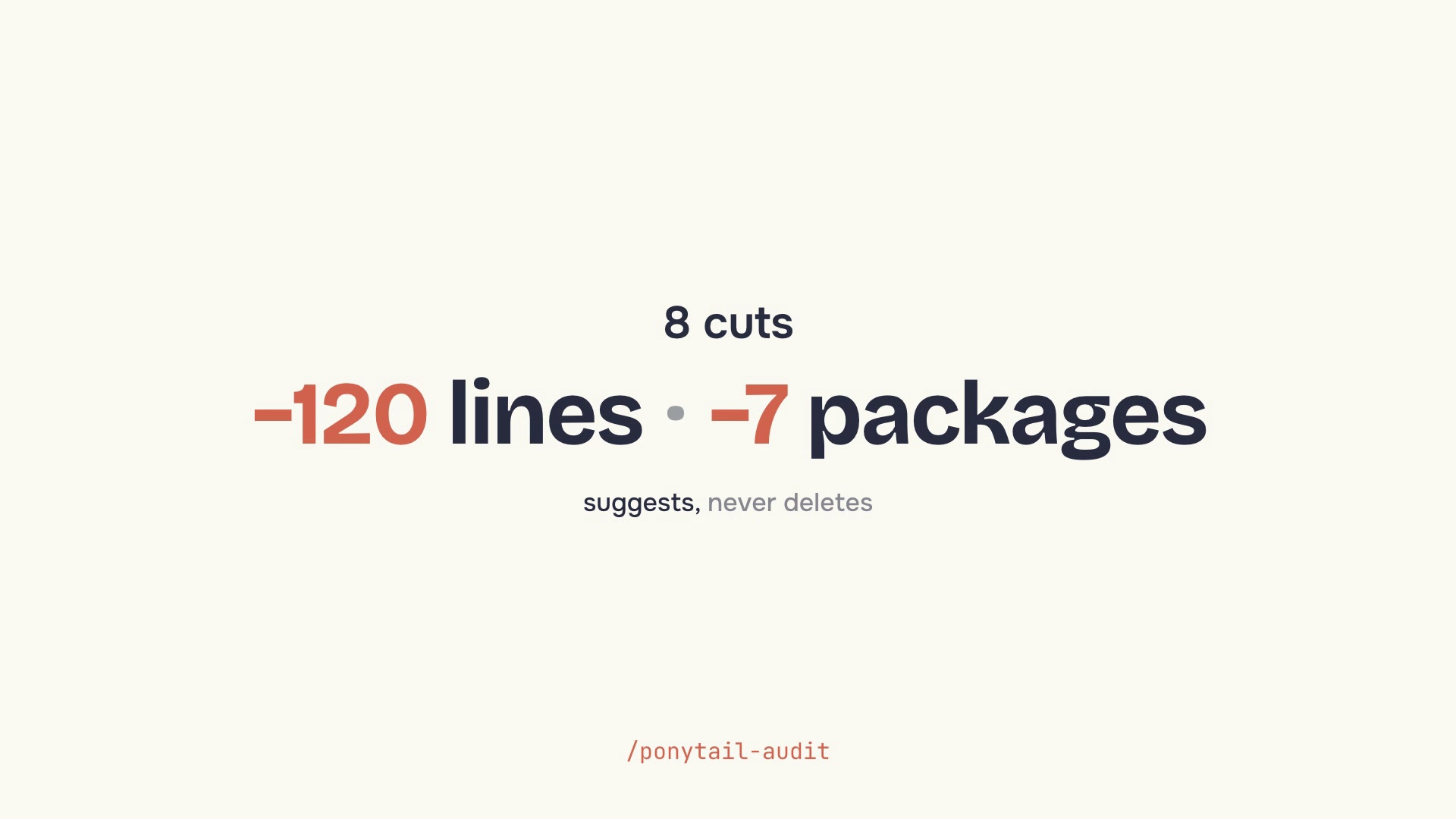
Find Dead Code
 DietrichGebert
 Scan your whole codebase for over-engineering and get a ranked list of what to delete, simplify, or replace with stdlib and native equivalents, biggest cut first.
ponytail/ponytail-audit 81.8k 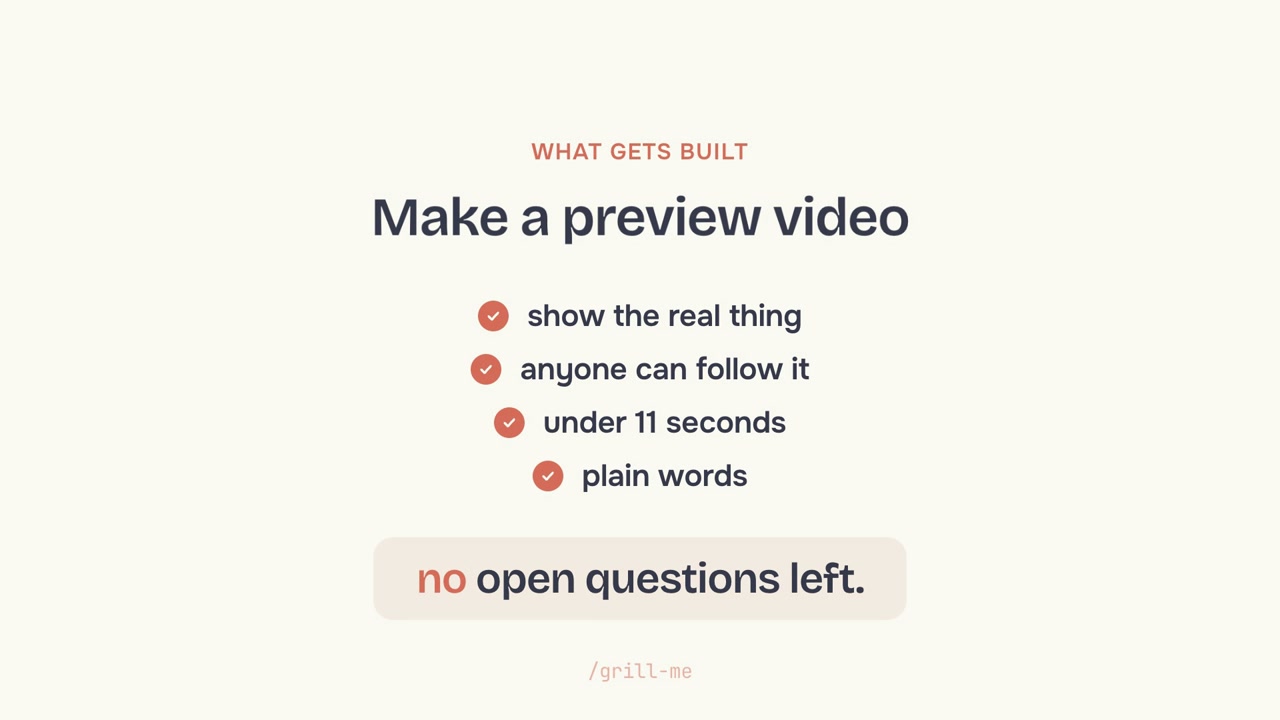
Grill Your Plan
 Matt Pocock
 Grill your plan or design with a relentless interview that surfaces every gap, assumption, and edge case before you write a line of code.
skills/grill-me 167.8k